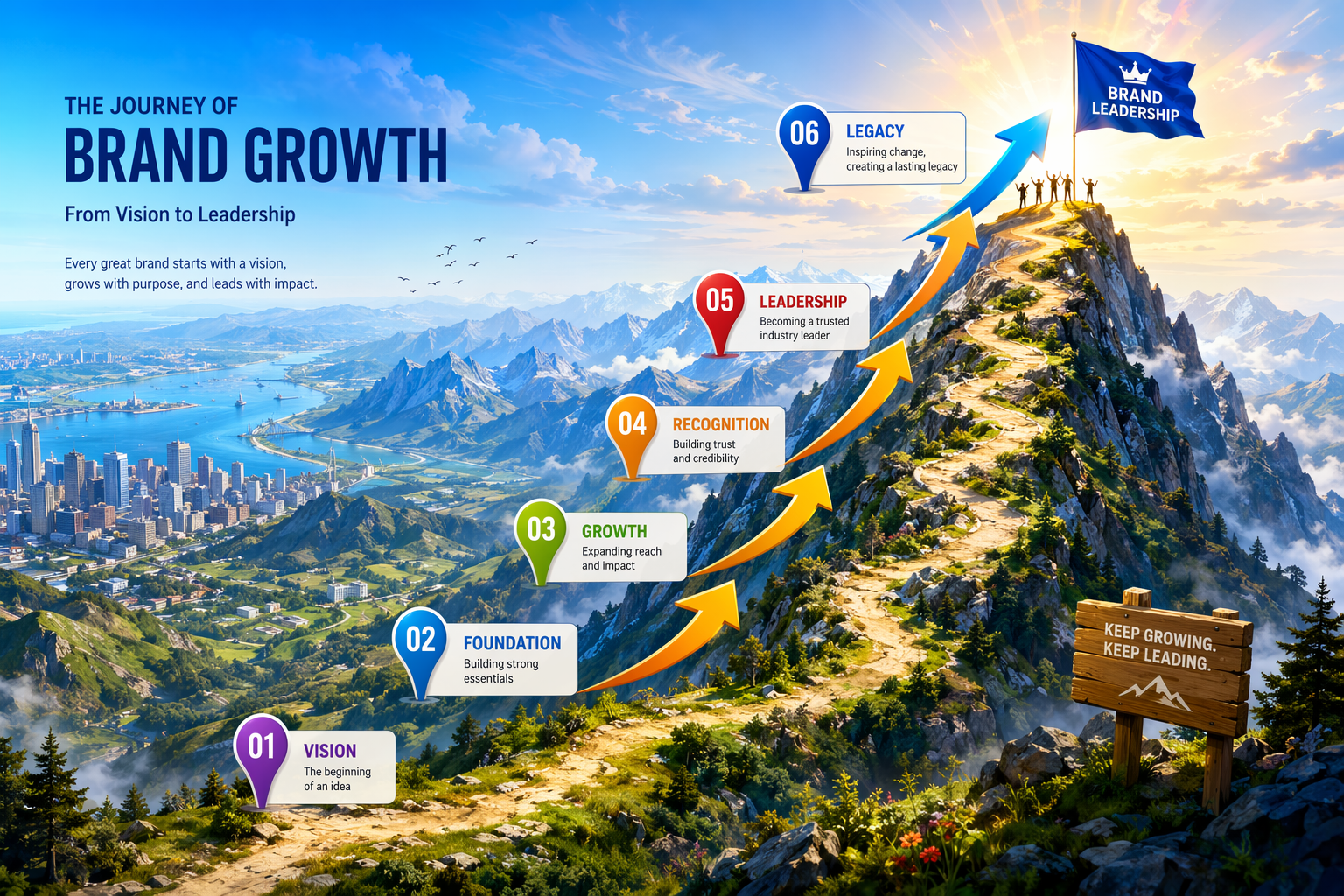

In the fast-paced world of digital marketing, influencer marketing has emerged as a powerful strategy to boost brand awareness and engage with target audiences. Leveraging popular social media platforms, brands collaborate with influencers to reach a large audience authentically. Understanding the dynamics of this marketing approach is the first step towards crafting a successful influencer marketing campaign. By focusing on clear goals and identifying the right influencers, companies can navigate the influencer marketing landscape effectively.
Understanding Influencer Marketing

In the realm of marketing strategy, understanding influencer marketing is paramount. This form of marketing leverages influential individuals in the social media landscape to promote products or services. By collaborating with these content creators, brands can amplify their reach and connect with their target audience in a more authentic manner. Analyzing the types of influencers, engagement rates, and social proof is crucial for a successful influencer marketing campaign. This strategy has become an effective way for businesses to enhance brand awareness and drive engagement.
The Evolution of Influencer Marketing
In the early stages, influencer marketing primarily centered around celebrities endorsing products. As social media platforms gained prominence, everyday individuals with niche audiences emerged as influential figures. This shift marked the evolution of influencer marketing towards authentic, relatable content creation. Brands recognized the value of engaging audiences through trusted individuals rather than traditional advertising. The progression from celebrity endorsements to collaborations with micro and macro influencers reflects a fundamental change in the marketing landscape towards more personalized and targeted strategies.
Why Influencer Marketing is Effective
Influencer marketing is effective due to its ability to authentically tap into the audiences that influencers have cultivated. By leveraging influencers, brands can establish trust and credibility with their target audience, leading to increased brand awareness and engagement. Influencers possess the power to create genuine connections with their followers, making them influential in promoting products or services. This form of marketing also provides social proof, influencing consumer behavior and driving purchasing decisions. Its impact is particularly significant in the world of social media marketing.
Types of Influencers Explained

In the realm of influencer marketing, understanding the nuances of different types of influencers is crucial. There are Micro, Macro, and Mega Influencers, each with varying audience sizes and engagement rates. Micro Influencers have a niche following but high engagement, while Macro Influencers possess a larger audience reach. On the other hand, Mega Influencers typically have a substantial following and are ideal for widespread brand visibility. Selecting the appropriate type of influencer aligns with your marketing goals and target audience, ensuring the success of your influencer marketing campaign.
Micro vs. Macro vs. Mega Influencers
When devising an influencer marketing strategy, a crucial decision lies in selecting the right type of influencers for a campaign. Understanding the distinctions between micro, macro, and mega influencers is essential. Micro-influencers typically have a smaller but highly engaged audience, while macro influencers possess a larger following and reach. On the other hand, mega influencers have massive audiences, often consisting of millions of followers. Each category offers unique advantages based on brand goals and target audience demographics. Selecting the appropriate influencer type is a pivotal aspect of a successful influencer marketing campaign.
Choosing the Right Type of Influencer for Your Campaign
When selecting influencers for your campaign, consider your target audience and marketing goals. Analyze the type of content creator who resonates with your brand values and audience size. Look at social media analytics to gauge their engagement rate and authenticity. Ensure the influencer’s followers are genuine to avoid inflated metrics from fake followers. Matching the influencer’s voice with your brand’s tone is crucial for a successful partnership. Collaborate with influencers who align with your brand message and can effectively promote your products or services.
Crafting Your Influencer Marketing Strategy

Crafting your influencer marketing strategy involves setting clear goals and objectives aligned with your brand values. Identifying and selecting the ideal influencers who resonate with your target audience is crucial. Tailoring your approach to different social media platforms where your audience is most engaged enhances the effectiveness of your campaigns. By outlining specific deliverables and expectations, you ensure that influencer collaborations result in authentic content that drives brand awareness and engagement. This strategic approach forms the foundation for successful influencer marketing campaigns.
Setting Clear Goals and Objectives
To ensure the success of your influencer marketing strategy, setting clear goals and objectives is paramount. Define specific KPIs aligned with your brand values and marketing goals. Clearly outline what you aim to achieve through influencer collaborations, whether it’s increasing brand awareness, driving website traffic, or reaching a new audience segment. Establishing measurable objectives allows you to track the effectiveness of your campaigns and adjust strategies as needed to maximize your ROI.
Identifying and Selecting the Ideal Influencers
Crafting a successful influencer marketing strategy hinges on identifying and selecting the ideal influencers. Understanding your target audience is the first step in this process. Analyzing social media analytics and audience demographics can help pinpoint the best fit. Consider influencers whose values align with your brand and whose engagement rate reflects authentic interaction. Look beyond follower count to assess genuine influence, ensuring a strategic partnership that resonates with your brand values and goals. Selecting the right influencers is crucial for maximizing brand awareness and achieving marketing objectives.
Best Practices in Influencer Collaboration

When engaging in influencer collaboration, it is crucial to develop a detailed creative brief outlining expectations and deliverables. Clear communication is key to aligning brand goals with the influencer’s vision. Establishing a collaborative partnership based on mutual understanding helps ensure that the content produced resonates with the target audience. By setting guidelines upfront and fostering open communication, brands can optimize influencer partnerships for maximum impact and authentic engagement. This approach lays a solid foundation for successful influencer marketing campaigns.
Developing a Creative Brief for Influencer Partnerships
When working with influencers, it is important to develop a creative brief to ensure that both parties are aligned on the goals and expectations of the partnership. A creative brief outlines the key elements of the influencer marketing campaign, including the value proposition of the brand, the target audience, and the desired outcomes. The creative brief should provide clear guidelines on the content that the influencer will create, including the messaging, tone, and aesthetic. It should also include details on the deliverables, such as the number of posts or videos, the timing of the content, and any specific requirements or restrictions. By developing a thorough creative brief, brands can ensure that the influencer partnership is successful and that the content produced aligns with the brand’s values and resonates with the target audience.
Establishing Expectations and Deliverables
When working with influencers, it is crucial to establish clear expectations and deliverables to ensure a successful influencer partnership. This includes clearly defining the scope of the partnership, the goals and objectives, and the timeline for deliverables. By setting clear expectations, brands can ensure that both parties are on the same page and that the influencer understands what is expected of them. It is also important to establish clear deliverables, such as the number of posts or videos, the timing of the content, and any specific requirements or restrictions. By establishing expectations and deliverables upfront, brands can avoid misunderstandings and ensure a smooth and successful influencer partnership.
Leveraging Social Media Platforms for Influencer Marketing
Social media platforms provide a powerful platform for influencer marketing. Platforms such as Instagram, YouTube, and TikTok have large audiences and offer various content formats that can be leveraged for influencer marketing campaigns. These platforms allow influencers to create and share content such as posts, videos, and stories, which can reach a wide audience and generate engagement. Brands can leverage social media platforms by identifying influencers on these platforms who align with their brand values and target audience, and by collaborating with them to create authentic and engaging content that promotes their products or services.
Instagram, YouTube, TikTok: Choosing the Right Platform
When it comes to influencer marketing, brands have a range of social media platforms to choose from. Instagram, YouTube, and TikTok are three popular platforms that offer large audiences and diverse content formats. Instagram is known for its visual content, making it ideal for lifestyle, fashion, and beauty influencers. YouTube is a video-centric platform that allows influencers to create longer-form content, making it suitable for tutorials, reviews, and vlogs. TikTok is a short-form video platform that is particularly popular among younger audiences, making it a great choice for brands targeting Gen Z. When choosing the right platform, brands should consider their target audience, the content format that aligns with their brand, and the type of influencer partnerships they want to create. By selecting the right platform, brands can maximize the reach and engagement of their influencer marketing campaigns.
Maximizing Content Reach and Engagement
To maximize the reach and engagement of influencer marketing content, brands can employ several strategies. First, brands should work with influencers who have a highly engaged audience. Influencers with a high engagement rate are more likely to generate higher levels of interaction and create content that resonates with their followers. Second, brands should encourage influencers to use tactics such as hashtags, interactive features, and calls to action in their content to increase engagement. Third, brands can utilize social listening tools to monitor and analyze the conversations and sentiments around their influencer marketing campaigns. This can provide valuable insights into the effectiveness of the content and help brands refine their strategies. By maximizing content reach and engagement, brands can ensure that their influencer marketing campaigns are effective in reaching and resonating with their target audience.
The Future of Influencer Marketing

Technology is shaping the future of influencer marketing, with advancements in AI and data analytics providing brands with more insights and measurement tools. Influencer marketing platforms are also becoming more sophisticated, allowing brands to find and collaborate with influencers more efficiently. As technology continues to advance, brands can expect more targeted and data-driven influencer marketing strategies. In conclusion, the future of influencer marketing holds many exciting opportunities for brands to connect with their target audience and drive meaningful engagement. By staying abreast of emerging trends and embracing new technologies, brands can continue to leverage the power of influencers to achieve their marketing goals.
Emerging Trends and Predictions
Influencer marketing is a dynamic and ever-evolving field, with new trends and strategies emerging all the time. Some of the emerging trends in influencer marketing include a shift towards niche influencers and micro-influencers, as brands recognize the value of reaching smaller but more engaged audiences. There is also a growing emphasis on authenticity and transparency, with influencers and brands being more open about sponsored content. Influencer marketing is also becoming an integral part of a brand’s overall digital marketing strategy, with influencers being used to amplify content and increase brand reach. Looking ahead, it is predicted that influencer marketing will continue to evolve and adapt to changes in consumer behavior and technology. Brands will need to stay agile and keep up with emerging trends to ensure that their influencer marketing campaigns remain effective and resonate with their target audience.
Adapting to Changes in Consumer Behavior and Technology
As consumer behavior and technology continue to evolve, brands must adapt their influencer marketing strategies to stay relevant and effective. One of the key changes in consumer behavior is the shift towards authenticity and transparency. Consumers are becoming more discerning and value genuine connections with brands and influencers. Brands must focus on building authentic relationships with influencers and creating content that resonates with their target audience. Technology is also playing a significant role in influencer marketing. Advances in AI and data analytics provide brands with more insights and measurement tools to track the effectiveness of their influencer marketing campaigns. Brands must leverage technology to optimize their influencer partnerships and ensure that their campaigns are data-driven and deliver measurable results. By adapting to changes in consumer behavior and technology, brands can stay ahead of the curve in influencer marketing and continue to engage their target audience effectively.
Conclusion
Influencer marketing has evolved into a potent tool for digital advertising. Understanding the types of influencers and crafting a strategic collaboration can amplify brand awareness and engagement. Avoiding common pitfalls like prioritizing follower count over engagement ensures authenticity and alignment with your brand. Leveraging platforms like Instagram, YouTube, and TikTok maximizes content reach. By staying abreast of emerging trends and adapting to changing consumer behaviors, influencer marketing can continue to drive impactful results in the dynamic digital landscape.