At WGA, we’re seeing more brands replace polished studio ads with short, phone-shot videos that look like they came from real customers, and many of them come from UGC creators. UGC creators are people who produce authentic, relatable photos, videos and reviews that brands use in their own marketing and paid ads. Unlike influencers, they’re hired mainly for the content itself, not for their follower count. This guide explains what UGC creators do, what they charge, how to hire them and the legal rules to follow.
What Are UGC Creators?
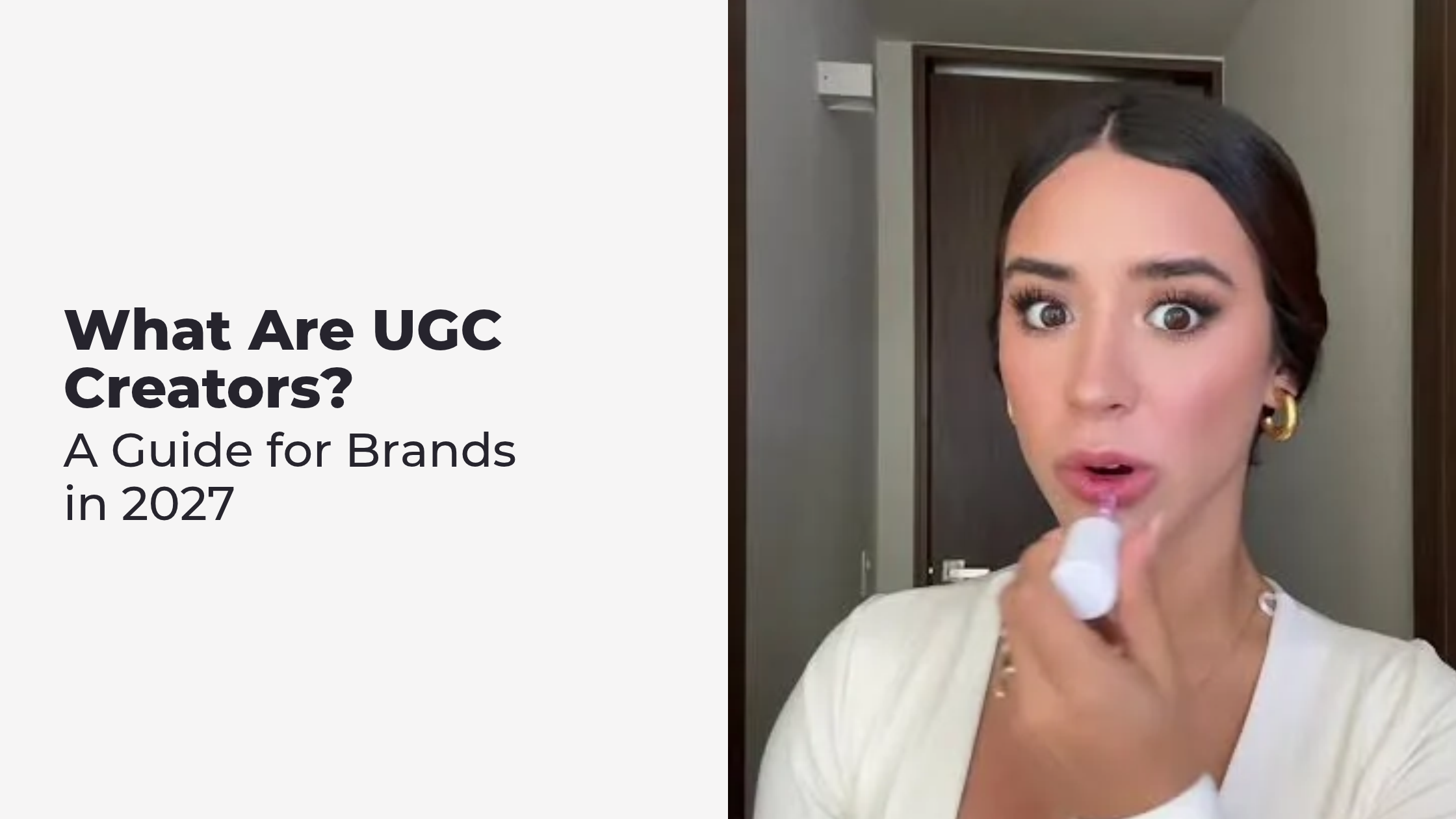
A UGC creator is a content producer who makes videos and photos in the casual, first-person style of an everyday customer. A typical piece might be a 30-second video of someone opening a package, trying a product and explaining why they like it, filmed on a phone in their kitchen.
The brand then publishes that content on its own channels: ads, product pages, emails and social media. The creator usually doesn’t post it to their own audience at all.
What Does “User-Generated Content” Mean Today?
User-generated content originally meant anything real customers created on their own: reviews, social posts, photos tagged with a brand. Today, the term covers two things:
- Organic UGC: Content customers create voluntarily, without payment
- Creator-made UGC: Content professionals produce in that same authentic style, on assignment for a brand
Organic UGC vs. Paid UGC Creators
| Organic UGC | Paid UGC creators | |
| Who makes it | Real customers | Hired creators |
| Cost | Free (permission still required) | Paid per video or package |
| Control | Little control over message or quality | Follows your brief |
| Volume | Unpredictable | On demand |
| Best for | Social proof and reviews | Ads and creative testing |
Most brands benefit from both: organic UGC for credibility, creator UGC for consistent, ad-ready content.
UGC Creators vs. Influencers: What’s the Difference?
Content Production vs. Audience Reach
- Influencers are paid for access to their audience. Their value is reach, trust with followers and engagement.
- UGC creators are paid for content. Their value is producing scroll-stopping videos that you distribute through your own channels and ad budget.
Put simply, influencer marketing rents an audience, while UGC buys creative assets.
When to Hire a UGC Creator vs. an Influencer
Hire a UGC creator when you:
- Need a steady supply of ad creative for Meta, TikTok or YouTube
- Want to test many hooks and messages quickly
- Have a paid media budget to distribute the content
Hire an influencer when you:
- Want to reach a new, specific audience
- Are launching a product and need buzz
- Value word-of-mouth from a trusted voice
What Do UGC Creators Make? Common Content Types
Testimonials, Unboxings and Product Demos
- Testimonials: The creator shares their experience and results.
- Unboxings: First impressions as the product is opened, highlighting packaging and quality.
- Product demos: A walkthrough of features and how the product works.
Tutorials and “Problem-Solution” Videos
Tutorials show how to use a product step by step. “Problem-solution” videos open with a relatable frustration, such as frizzy hair or a cluttered garage, then show the product fixing it. This format works especially well in ads because it grabs attention in the first few seconds.
Where Brands Use UGC: Paid Social, Product Pages and Email
- Paid social ads on TikTok, Instagram, Facebook and YouTube Shorts, which run through Google Ads (see how much Google Ads cost to plan that spend)
- Product pages to show the product in real life
- Email campaigns to add social proof to promotions
- Landing pages to increase trust and conversions
- Organic social channels to keep feeds active
Why Do Brands Work With UGC Creators?
Authenticity and Social Proof
People trust people more than brands. Content that looks and sounds like a real customer feels like a recommendation, not a sales pitch. That relatability makes viewers more likely to stop scrolling and believe what they’re seeing.
Lower Production Costs and Faster Creative Testing
A traditional video shoot can require a crew, location, actors and weeks of editing. A UGC creator can deliver several videos in days for a fraction of the cost. This makes it possible to test multiple hooks, angles and offers, then put more budget behind the winners.
Stronger Performance in Paid Social Ads
Social platforms reward content that feels native to the feed. UGC blends in with the videos people already watch, so it often earns more attention than obviously branded ads. Because ad fatigue sets in quickly, a steady flow of fresh UGC helps keep campaigns from stalling.
How Much Do UGC Creators Charge?
Typical Rates per Video
Rates vary widely depending on experience, video length, editing and the number of variations. As a general guide:
- Newer creators: Often around $100 to $250 per video
- Experienced creators: Commonly $250 to $750 per video
- Top-tier specialists: $1,000 or more, especially for heavily edited or scripted content
Many creators offer packages, such as three videos with multiple hooks, at a discounted rate.
Usage Rights, Whitelisting and Licensing Fees
The base rate often covers only organic use. Expect additional fees for:
- Paid usage rights: Permission to run the content in ads, often priced by duration, such as 30, 90 or 365 days
- Whitelisting (or Spark Ads): Running ads through the creator’s own social account so they appear to come from the creator
- Exclusivity: Preventing the creator from working with competitors for a set period
- Raw footage: Unedited clips your team can re-cut
Always confirm what’s included before you agree on a price.
How to Find and Hire UGC Creators
UGC Platforms and Marketplaces
Common places to find creators include:
- Dedicated UGC marketplaces such as Billo, Insense and Collabstr
- Platform programs, including TikTok’s creator marketplace tools
- Freelance sites such as Upwork and Fiverr
- Social search on TikTok and Instagram using terms like “UGC creator”
- Your own customers, who may be happy to create content for pay or product
How to Write a UGC Creator Brief
A clear brief saves time and revisions. Include:
- Product and offer: What you sell and the key selling points
- Target audience: Who the video should speak to
- Goal and placement: Ads, product page or organic social
- Key messages and claims: What to say, and what not to say
- Hooks to test: Two or three opening lines or angles
- Technical specs: Length, aspect ratio (usually 9:16), captions and music
- Deliverables and deadlines: Number of videos, variations and due dates
What to Look for in a UGC Portfolio
- A strong hook in the first three seconds
- Natural, confident delivery on camera
- Good lighting and clear audio
- Experience in your product category
- Range across formats, such as demos, testimonials and tutorials
- Results or performance data from past brand work, when available
Legal and Ethical Considerations for UGC
FTC Disclosure Rules for Paid UGC
When a creator has a financial relationship with a brand, including free products, that connection must be clearly disclosed. The FTC’s Disclosures 101 for Social Media Influencers explains that disclosures should be easy to notice, written in plain language like “ad” or “sponsored,” and included within the video itself for video endorsements. Creators also can’t claim experiences with products they haven’t tried.
Who Owns the Content? Contracts and Usage Terms
Never rely on a verbal agreement. Your contract should define:
- Who owns the content, or what license the brand receives
- Where and how long you can use it
- Payment terms and revision rounds
- Whitelisting permissions and exclusivity
- Requirements for accurate claims and FTC compliance
AI-Generated UGC vs. Real Creators
AI tools can now generate realistic “creators” and testimonials. Use them with caution. The FTC’s final rule banning fake reviews and testimonials specifically targets testimonials attributed to people who don’t exist, including AI-generated ones, or who never actually used the product. AI can help with scripts and editing, but presenting a fictional person as a real customer creates legal and reputational risk.
UGC Creator FAQs
How Do You Become a UGC Creator?
Start by creating sample videos with products you already own, then build a simple portfolio. Learn the basics of hooks, lighting and editing, and pitch brands directly or join UGC marketplaces. Consistency and professionalism matter more than equipment.
Do UGC Creators Need a Large Following?
No. Because brands publish the content on their own channels, a creator’s follower count matters far less than their ability to make videos that convert. Many successful UGC creators have small personal audiences.
How Do You Measure the ROI of UGC?
Track UGC by where you use it:
- Paid ads: Click-through rate, cost per acquisition and return on ad spend
- Product pages: Conversion rate before and after adding UGC
- Email: Click and conversion rates
- Creative efficiency: Cost per video compared with traditional production
Turn Authentic Content Into Results With WGA
UGC works best when it’s part of a larger strategy, not a one-off experiment. As a full-service marketing and advertising agency in Chicago, WGA helps brands plan UGC programs, write creator briefs, manage social media and paid social campaigns, and test creative to find what drives sales. We connect authentic content with the targeting and data that turn views into customers.
Ready to put UGC to work for your brand? Contact our team, book a 30-minute strategy call.